
Sustainable Engineering: Designing for Both People and Planet
The 3 pillars of sustainability; the. 17 goals of sustainable development and how sustainable engineering is reshaping industries.
By Jennifer Walker
As the world faces environmental challenges, the role of engineers has never been more critical. Sustainable engineering is reshaping the way we think about design and innovation—prioritising not just what we build, but how it impacts the world around us and future generations. From reducing carbon footprints to designing climate resilient infrastructure, sustainable engineering is about creating solutions that work together with nature and society. Whether you’re an aspiring engineer, an environmental enthusiast, or just curious about the impact of meaningful design, this blog will explore how sustainable engineering is reshaping industries—and how you can be part of ensuring a better, greener future.

Engineering is much more than unique architecture and smart machinery. Engineering is about solving real-world problems, improving quality of life, and shaping a future that balances innovation with responsibility. Whether it’s designing safer infrastructure, developing renewable energy systems, or creating technology that connects and empowers communities, engineering is fundamentally about making a positive, lasting impact on society, the environment and the economy (The Three Pillars of Sustainability).
The Three Pillars of Sustainability
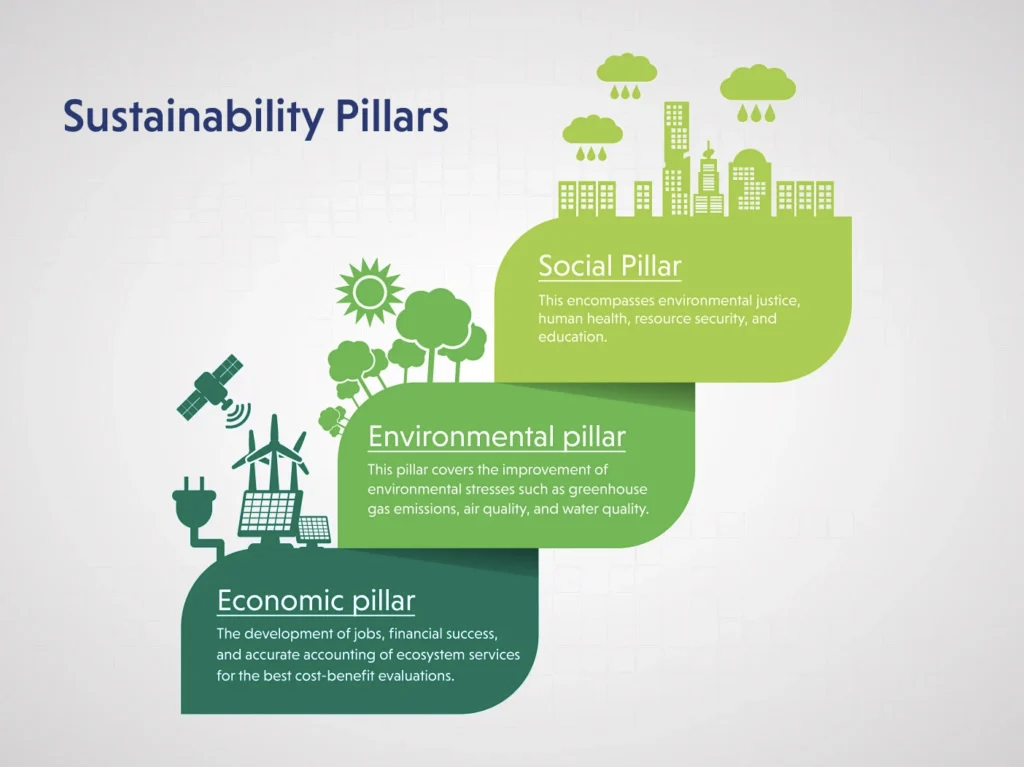
It’s important to work for and with the communities who will be affected by a project, all the way through its life cycle. Understanding how people will interact and use the infrastructure, product or device you want to create can prove invaluable in the design process, and can have major impacts on the final design. At the end of the day, you want something that is accessible, inclusive and that people actually need or want to use!
Designing with the Environment in Mind
Something that goes hand in hand with this is designing with the environment in mind. The effects of climate change are having impacts on people, plants and animals all over the world! Water levels are rising (which means more flooding), the earth’s temperature is changing and weather is becoming more extreme, and this can be damaging to our ecosystems – so it’s important to reduce contributions and try to reverse the effects.
Most things we build or make (and even you!) have a carbon footprint – this is the total amount of greenhouse gases produced by things we do or use. You may sometimes see this written as embodied or operational carbon for buildings and infrastructure. Embodied carbon is the amount of greenhouse gases produced from constructing a building or piece of infrastructure (such as material production, transportation and machinery), and operational carbon is the amount of greenhouse gases produced throughout its lifetime after construction during use (such as lighting, heating, and power). As individuals we can play our part in reducing the operational carbon of a building, and engineers can design a building in order to minimise the embodied carbon by choosing (or reusing) sustainable materials and implementing sustainable practices.

Sustainability in Engineering
The engineering industry has already been making huge waves in terms of sustainability. We’ve seen the introduction of electric and hydrogen powered cars, a surge in renewable energy sources (i.e solar and wind power) and a rise in retrofitting existing buildings. Retrofitting is when you take a building or piece of infrastructure that already exists, and give it new life and functionality, rather than knocking it down and starting from scratch. This is a concept I have seen and worked on a lot whilst I have been on placement, and it is one of my favourite sustainable engineering practices!

A great example of retrofitting is Castlefield Viaduct in Manchester – what was once a Victorian viaduct is now a National Trust garden!
Many companies are now working towards Net-Zero emissions – meaning they aim to remove as much carbon emissions as they produce. It is essential that companies are sustainable and ethical, as the welfare of communities and the environment are interlinked. The 17 Sustainable Development Goals (created by the United Nation in 2015) are the perfect example of what we need to achieve – and all of them are applicable within engineering.
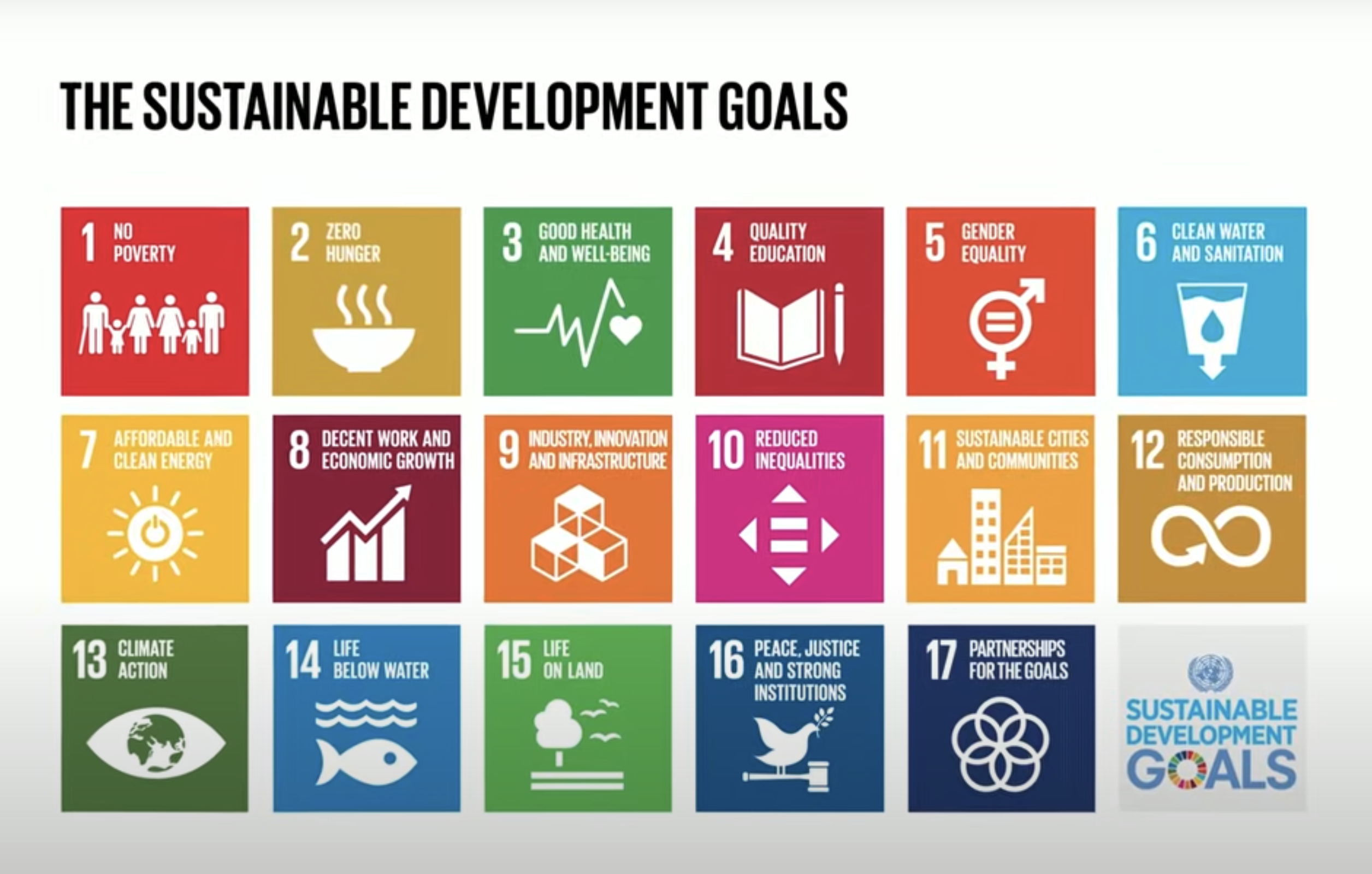
THE 17 GOALS | Sustainable Development
But, as individuals, there are a lot of things we can do to help the environment, such as: recycling plastic waste, using re-usable items such as metal bottles over plastic ones, buying second-hand or vintage fashion and being aware of how you use energy and reducing it where you can. One of the things I do is make sure I walk or take public transport wherever I can to reduce my personal carbon footprint. Your school/college or university is also a great vessel to help you get involved- for example I was part of a team that looked to improve sustainability on our campus. We held events promoting buying and wearing second-hand clothing over fast fashion, whilst supporting local charities, and made sure to keep these events as green as possible. Most universities and courses now include sustainability modules, which go into more detail about how you can go about incorporating sustainable practices into your future career field!
One thing I have learned and worked on first hand during my academic and professional journey so far, is that as an engineer you can have a huge impact on the world around us – it’s important to ensure this impact is positive and meaningful, and contributes to healthy, cohesive and equal communities and environments. Designing with people and planet at the heart of projects, and understanding what they need is, the key to long-lasting impacts and supporting the environment for generations to come.