
Rejection Does Not Define your worth: lessons from my PhD journey
Pursuing a PhD is not just an academic endeavour—it is a test of resilience, determination, and self-belief. My…
By Gargi Sawant
Pursuing a PhD is not just an academic endeavour—it is a test of resilience, determination, and self-belief. My journey to securing a fully funded PhD scholarship in the UK was anything but smooth. It took me nearly a year and a half, over twenty applications, and seven interviews before I finally received a fully funded PhD scholarship and I will be starting my studies in October 2025. But this journey wasn’t just about getting a PhD; it was about learning, growing, and redefining my own narrative of success.
Rejection, Rejection, Rejection…
The reality of rejection is that it is an inevitable part of the process when applying for competitive PhD programs, especially as an international student seeking full funding. The competition is fierce, with hundreds of qualified candidates vying for limited spots. But what makes rejection difficult isn’t just the missed opportunity—it’s the self-doubt it breeds. After each rejection, I questioned my abilities, my potential, and even my decision to pursue a PhD at all.
Each email that began with “We regret to inform you…” chipped away at my confidence. I remember refreshing my inbox multiple times a day, hoping for good news, only to be met with disappointment. It was disheartening to put in so much effort only to be rejected. I started wondering if I was simply not good enough. However, with time, I realised that rejection was not an indicator of my capability but rather an opportunity to refine my approach. Every rejection gave me insights into what I needed to improve—whether in my research proposal, my personal statement, or my interview technique.

Determination
What made my journey particularly challenging was that I began applying for PhDs when I was seven months pregnant. Postpartum life brought with it sleep deprivation, mental health struggles, and the demands of caring for a baby. My daughter is a light sleeper and clingy, which meant there were nights I wrote applications with her in my lap. During the day, I cooked for my family, managed household responsibilities, and squeezed in whatever time I could to refine my applications. The process was exhausting, but I was determined not to let my personal circumstances deter me from my goal. There were moments when I felt utterly overwhelmed. The pressure to secure a PhD, combined with the physical and emotional toll of postpartum recovery, left me drained. There were days when I doubted if I could juggle it all—motherhood, household responsibilities, and academic aspirations. But I kept going because I knew that giving up was not an option.

Burn Out & Reset
At one point, I was so burnt out that all I was doing was writing applications out of desperation. I lost focus on myself and my strengths and was solely chasing results. This approach drained me both mentally and emotionally. I was no longer writing applications with enthusiasm but rather out of fear of failure. I neglected my well-being, barely took breaks, and allowed stress to consume me.
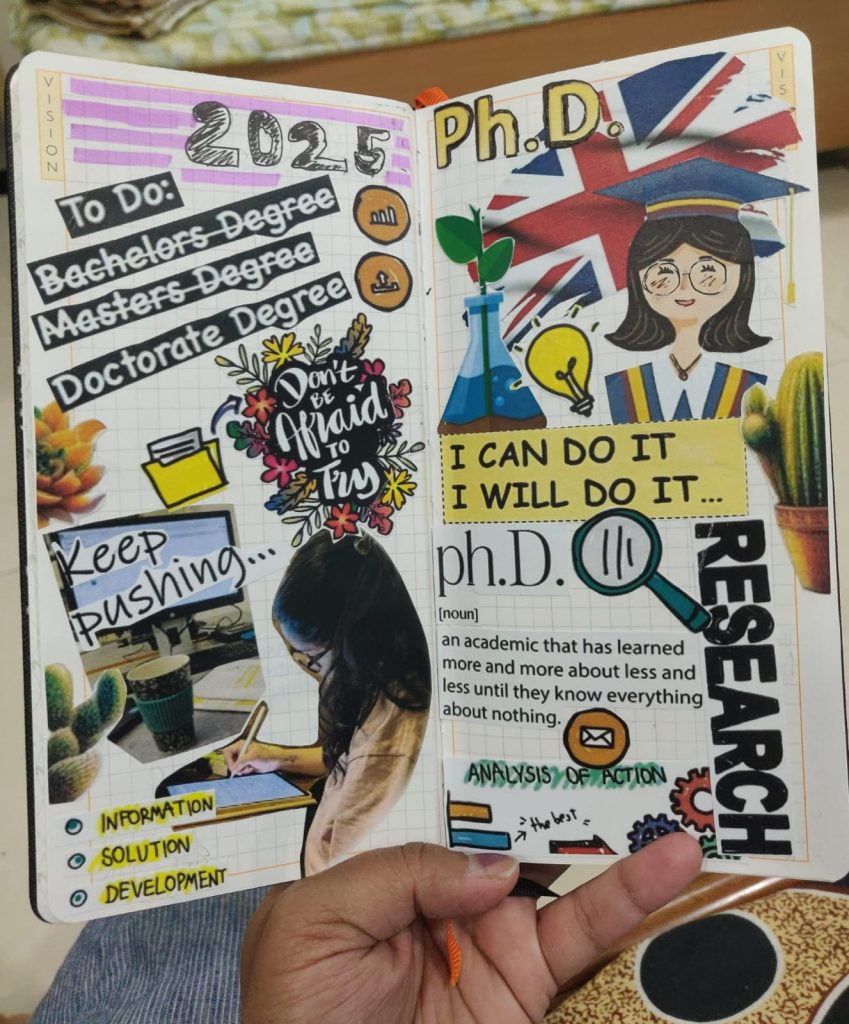
By the time 2025 arrived, I realised I needed a complete reset. I created a vision board, prioritised self-care, and restructured my approach to applications. Instead of just applying widely, I started focusing on quality over quantity, ensuring each application reflected my true capabilities and aspirations. I took a step back to reflect on my strengths, passions, and what I truly wanted from a PhD.
Refining & Tailoring My Approach
Each rejection was a blow, but instead of letting it define me, I used it as a tool for growth. I conducted a SWOT (Strengths, Weaknesses, Opportunities, Threats) analysis of myself, identifying what I was good at, where I needed to improve, and how I could present myself more effectively. I revisited my past interviews and critically analysed my answers. I also reached out to other women researchers to understand their PhD experiences and sought their advice on interviews and supervisor meetings. Their insights were invaluable in helping me refine my strategy. I realised that successful candidates weren’t necessarily more skilled than I was; they had just mastered the art of presenting their skills effectively. They understood how to tailor their applications, articulate their motivations, and demonstrate their potential as researchers. I started incorporating their advice into my own applications and interview strategies.

Rejection = Redirection
When I finally received my PhD offer, it wasn’t just a validation of my abilities but a testament to my persistence. The rejections did not mean I wasn’t good enough—they meant I needed to refine my approach. And when the right opportunity came along, I was ready for it. I also learned that timing plays a crucial role. Sometimes, we may be the right candidate, but the competition is simply too high. Other times, external factors like funding availability or project fit may not work in our favour. Understanding this helped me depersonalise rejection and move forward with a more strategic mindset.
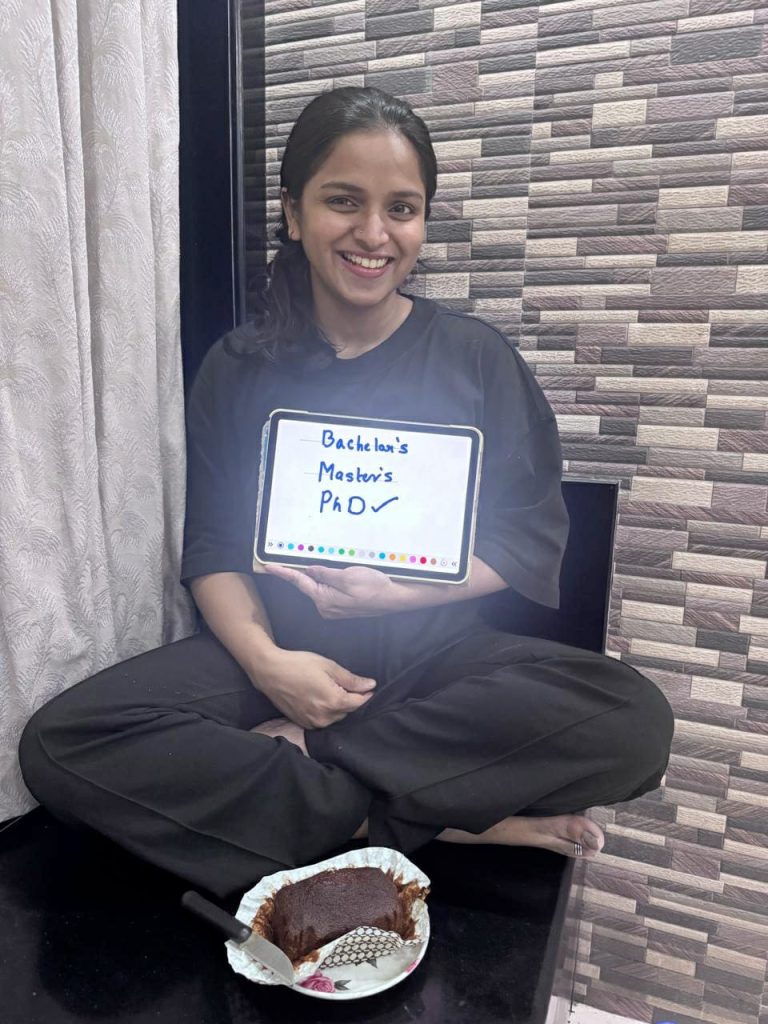
If you’re facing rejections in your academic or professional journey, remember: rejection is not a measure of your worth. It is a stepping stone to improvement and success. Analyse your setbacks, refine your approach, and keep pushing forward. Your hard work will pay off—not despite the challenges but because of them. To all aspiring researchers, especially mothers balancing family and career—your dreams are valid, and your perseverance will lead you to where you are meant to be. Keep going!